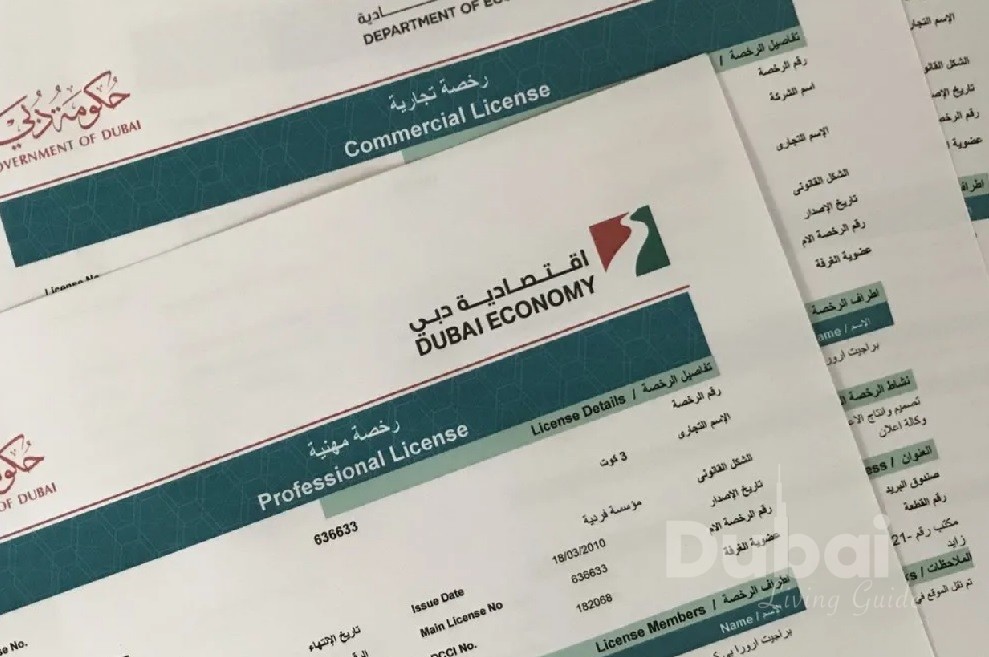




💡 Quick Answer: Is the Dubai Real Estate Market Worth Investing In?
Yes — and tbh the numbers are hard to argue with. The Dubai real estate market offers zero property tax, rental yields of 6–12% annually, and a Golden Visa for purchases above AED 2 million (~$545,000 USD). In 2024 alone, total transaction volume hit a record AED 761 billion. But success requires area research, understanding all transaction costs (budget 6–7% on top of purchase price), and knowing the difference between freehold and leasehold zones as a foreign buyer.
⏱️ Read time: ~8 minutes | 📅 Last updated: February 2026 | 📍 Based on first-hand experience
Ok so here’s the thing about the Dubai real estate market…. Let me share what I wish someone had told me when I first started. Honestly, I walked into this whole thing thinking I knew enough. I’d done my research (or so I thought), watched a few YouTube videos, read some glossy brochures — you know the drill. Fast forward 18 months, two property viewings a week, and one very humbling purchase later… I can tell you the Dubai real estate market is unlike anything else I’ve ever experienced. And tbh? I’m completely obsessed with it now.
I moved to Dubai in early 2023 for work, and like a lot of expats, the first thing people told me was ‘you should buy, not rent.’ The Dubai real estate market had been on an absolute tear since 2021, and everyone around me seemed to be making money. So I started paying attention. Really paying attention. And what I found was… complicated. Exciting. Sometimes confusing. But ultimately, really really worth understanding.
This article is my honest breakdown of the Dubai real estate market — the good, the bad, and the stuff the glossy brochures definitely wont tell you. Whether ur a first-time buyer, an investor eyeing rental yields, or just curious about what all the hype is about, stick with me. I’ve got you.
Naz
Your Dubai Insider
As a proud resident of this bustling city for over 4 years, I’ve devoted my time to exploring Dubai’s vibrant cultural life, different ways of living, and endless possibilities. My experiences enable me to guide you through job searches, housing hunts, commuting, and vehicle purchases in Dubai.
📍 Living in Dubai for 4+ years | 🎯 Helping newcomers navigate Dubai life | 📅 Last Updated: February 2026
Why the Dubai Real Estate Market Is Unlike Any Other
Let me start with the basics because I think a lot of people (myself included, initially) underestimate just how unique the Dubai real estate market actually is. First off — there’s no property tax. Zero. That’s not a typo. In most western markets, property tax is one of the biggest ongoing costs of ownership. In the Dubai real estate market? It doesnt exist. That alone changes the entire investment math.
Then theres the Golden Visa program. Since 2021, the UAE government expanded eligibility so that purchasing property worth AED 2 million or more (roughly $545,000 USD) qualifies you for a 10-year residency visa. That single policy shift turbo-charged demand in the Dubai real estate market almost overnight. I’ve spoken to buyers from Russia, India, the UK, China, Nigeria — you name it — all drawn in partly because of that visa incentive.
And here’s something that genuinely surprised me when I first started exploring the Dubai real estate market: the off-plan market. In most places, buying property that hasnt been built yet is considered risky. In Dubai? Off-plan purchases make up a massive chunk of all transactions — in some months, more than 60% of total deals. Developers like Emaar, Damac, Aldar, and Sobha offer payment plans that stretch over 5-7 years, sometimes with 1% per month installments. Its wild. And it works. Mostly.
Dubai Real Estate Market Trends in 2025-2026: What’s Actually Happening
Ok real talk — the Dubai real estate market has been on a sustained bull run that’s honestly surprised even the most optimistic analysts. In 2024, total transaction volume hit a record-breaking AED 761 billion (yes, billion with a B). And as of early 2026, momentum hasn’t really slowed down the way some predicted it would.
Prime areas like Palm Jumeirah, Downtown Dubai, and Dubai Marina have seen price per square foot increases of 25-40% since 2021. I have a friend — let’s call her Priya — who bought a 2-bedroom apartment in Business Bay in Q1 2022 for AED 1.4 million. By late 2024, she’d gotten offers around AED 2.1 million for the same unit. Thats a 50% appreciation in under 3 years. Ngl, when she told me that over coffee I nearly choked.
But here’s where it gets nuanced (and this is the part that took me a while to fully grasp about the Dubai real estate market): not all areas perform the same. Like, not even close. While Palm Jumeirah villas were appreciating at eye-watering rates, some off-plan projects in emerging areas like Dubai South or parts of Dubailand were delivering much more modest returns — or in a few cases, actually declining in value. The Dubai real estate market rewards research. Big time.
Rental yields are another reason investors worldwide are fixated on the Dubai real estate market. Short-term rentals (think Airbnb / holiday homes) in prime areas are generating gross yields of 8-12% annually. Even long-term rentals in mid-range communities like JVC (Jumeirah Village Circle) or Dubai Silicon Oasis are pulling 6-8% gross yields — compared to London or Sydney where 3-4% is considered decent. The numbers just hit different here.

💰 Table 1: Dubai Real Estate Market — Full Transaction Cost Breakdown
Based on a AED 1,500,000 purchase price example (all costs in AED)
| Cost Item | Rate / Amount | On AED 1.5M Purchase | Notes |
|---|---|---|---|
| DLD Transfer Fee | 4% of purchase price | AED 60,000 | Biggest single transaction cost — budget for this first |
| Buyer’s Agent Commission | 2% of purchase price | AED 30,000 | Mandatory; verify agent is RERA registered |
| Trustee Fees + Admin | Fixed fees | AED 4,000–6,000 | Varies slightly by transaction type |
| 10% Deposit (to secure) | 10% of purchase price | AED 150,000 | Paid upfront to secure; part of total purchase price |
| Annual Service Charges | AED 12–18/sqft/year | AED 9,000–13,500 / yr | Varies wildly by building — always check before buying |
| Down Payment (mortgage) | 20–25% (expats) | AED 300,000–375,000 | Higher than UAE nationals (15–20%) |
| TOTAL TRANSACTION COSTS | ~6–7% on top | AED 90,000–105,000+ | Excluding deposit (part of price) and service charges |
⚠️ Note: Figures based on article data as of February 2026. Always confirm current fees with your DLD-registered agent.
My Personal Journey Through the Dubai Real Estate Market (Including the Mistakes 😬)
I should be honest about my own experience in the Dubai real estate market because I definitely didnt get everything right. My first serious mistake? I fell in love with a property before doing proper due diligence. Classic rookie error.
It was a gorgeous 1-bedroom apartment in JLT (Jumeirah Lake Towers) — stunning views of the lake, very well priced at AED 980,000, developer had a decent reputation. I was ready to sign. Then my real estate agent (a very patient Jordanian guy named Khalid who I will be forever grateful for) insisted I check the service charge history first. Turns out the building had some of the highest service charges in JLT — around AED 18 per square foot per year, compared to an area average of around AED 12-14. On a 750 sqft apartment that’s an extra AED 3,000+ per year I hadnt factored in. The Dubai real estate market has this whole layer of ongoing costs that can really bite you if ur not paying attention.
I also made the mistake early on of not understanding the difference between freehold and leasehold areas in the Dubai real estate market. As a foreign national (non-UAE citizen), I can only buy property in designated freehold zones — areas like Downtown, Dubai Marina, Palm Jumeirah, Business Bay, JVC, etc. Leasehold areas are a completely different structure with typically 99-year lease arrangements. Its not inherently bad, but its different, and you need to understand what you’re buying into.
Eventually, after about 8 months of looking, I bought a 2-bedroom apartment in Dubai Hills Estate — off-plan, Emaar development, handover expected mid-2026. I paid AED 1.78 million with a 60/40 payment plan (60% during construction, 40% on handover). Was I nervous? Absolutely. But the Dubai real estate market in that sub-community had been performing consistently, and Emaar’s track record gave me enough confidence to commit. So far, comparable units are listing at AED 2.1 million — though of course, listing price and actual sale price in the Dubai real estate market can be quite different, and I wont know my real return until I decide to sell or rent.
✅ Dubai Real Estate Market: First-Time Buyer Checklist
Run through this before you sign anything — seriously, future you will be grateful 😅
📋 Research & Preparation
☐
Cross-reference listing price with DLD transaction database
Check dubailand.gov.ae for actual recorded sale prices in the same building. Listing price vs sale price in the Dubai real estate market can differ significantly.
☐
Confirmed area is a freehold zone (not leasehold)
As a foreign national, you need a freehold zone for full ownership. Don’t assume — verify.
☐
Researched the specific community/area — not just the property
The Dubai real estate market is hyper-local. A 5-minute drive can mean 8% vs 4% yield difference.
🏢 Property & Developer Due Diligence
☐
Checked building’s service charge history
Target AED 12–14/sqft/year. Above AED 16–18 warrants close scrutiny. This can cost thousands extra annually.
☐
Verified developer’s track record (for off-plan)
Blue-chip developers: Emaar, Meraas, Aldar, Sobha. Research delivery history for any newer/smaller developer.
☐
Understood payment plan terms fully (for off-plan)
Know the split: e.g. 60/40 (60% during construction, 40% on handover). Know the full schedule before committing.
👤 Agent & Legal
☐
Verified agent’s RERA registration number
RERA registration is mandatory. Ask for the number. If they hesitate, walk away — no exceptions.
☐
Not rushed into signing by anyone
The Dubai real estate market moves fast but not so fast you can’t take a week to think. Anyone pushing hard for a same-day decision is a red flag.
💸 Budget & Finance
☐
Budgeted 6–7% on top of purchase price for transaction costs
Includes 4% DLD fee, 2% agent commission, trustee + admin fees. Don’t get caught short at the finish line.
☐
Have 10% deposit ready for immediate payment on agreement
This is required upfront to secure the property and is part of the total purchase price, not in addition to it.
☐
If using mortgage: started process early with 20–25% down payment ready (expats)
UAE mortgage process for foreigners requires valuation + income verification + liability letter. Start early — it’s paperwork-heavy.
☐
Considered Golden Visa threshold (AED 2M+) if budget allows
Purchasing above AED 2 million qualifies for a 10-year UAE residency Golden Visa. If your budget is close, it’s worth stretching for this.
📅 Checklist based on first-hand Dubai real estate market experience — February 2026. Always verify current requirements with a RERA-registered agent.
Navigating the Dubai Real Estate Market as a Foreign Buyer
One of the most common questions I get from friends thinking about jumping into the Dubai real estate market is: ‘Can foreigners really buy property freely there?’ And the answer is — yes, in freehold areas, absolutely. The process is actually more straightforward than in many western markets in some ways.
Here’s a rough breakdown of the buying process in the Dubai real estate market as I experienced it: You find a property (obviously), agree on price, pay a 10% deposit to secure it, and then both buyer and seller register the transaction with the Dubai Land Department (DLD). The DLD charges a transfer fee of 4% of the purchase price — this is the big one to budget for fr. So on a AED 1.5 million property, thats AED 60,000 just in transfer fees. Plus there are agent commissions (typically 2% for the buyer’s agent), trustee fees, and various admin charges. All in, budget around 6-7% on top of purchase price for transaction costs in the Dubai real estate market.
Mortgages are available to foreigners in the Dubai real estate market, but the terms are different from what many western buyers expect. UAE banks typically require a 20-25% down payment from expatriates (compared to 15-20% for UAE nationals), and interest rates as of early 2026 were hovering around 4.5-5.5% for fixed-rate products. The mortgage process involves a property valuation, income verification, and a liability letter if you’re transferring a mortgage between banks. Its doable, but its paperwork-heavy.
One thing I really appreciate about the Dubai real estate market is the transparency of the Dubai Land Department’s database. You can actually look up historical transaction prices for specific buildings on their website (dubailand.gov.ae) — its called the Dubai REST app / DLD transaction data. Before I made any serious offer, I was cross-referencing listed prices with actual recorded sale transactions in the same building. That data is genuinely invaluable in the Dubai real estate market. Use it.
📋 Table 3: Dubai Real Estate Market — Step-by-Step Buying Process
The buying process as experienced first-hand in the Dubai real estate market
| Step | Action | Key Cost | Pro Tip |
|---|---|---|---|
| 1 | Research areas & verify via DLD transaction data (dubailand.gov.ae) | Free | Cross-reference listings vs actual recorded sale prices |
| 2 | Find RERA-registered agent, begin viewings | Free | Ask for RERA number; verify it’s valid before proceeding |
| 3 | Check service charge history for the specific building | Free | Target AED 12–14/sqft — above AED 16–18 warrants close review |
| 4 | Agree on purchase price, sign MOU/Sales Agreement | — | Don’t let anyone rush this — take a week if you need it |
| 5 | Pay 10% deposit to secure property | 10% of price | Held in trust — this forms part of the total purchase price |
| 6 | Arrange mortgage / financing (if applicable) | 20–25% down (expats) | Rates ~4.5–5.5% fixed (early 2026); start paperwork early |
| 7 | Register transaction with Dubai Land Department (DLD) | 4% transfer fee | Both buyer and seller register together — can be done online |
| 8 | Receive Title Deed — you are now a Dubai property owner 🎉 | Admin fees | Process can be done without being physically in Dubai |
⚠️ Note: This is a general guide based on personal experience in the Dubai real estate market. Always consult a registered agent and legal professional for your specific situation.
The Dubai Real Estate Market: Areas to Watch Right Now
If someone asked me today which areas of the Dubai real estate market I’m most excited about in 2026, here’s where I’d be looking:
Dubai Creek Harbour — This Emaar mega-development is basically a city within a city being built around the Dubai Creek. The Dubai Creek Tower (when/if completed) will redefine the skyline. Infrastructure is still catching up, but prices in the Dubai real estate market here have been climbing steadily, and early investors from 2019-2021 are sitting on substantial gains. It’s a long-game play, but I think a compelling one.
Jumeirah Village Circle (JVC) — This is the Dubai real estate market’s ‘affordable luxury’ sweet spot. 1-bedroom apartments in JVC can still be found in the AED 700,000-900,000 range, rental yields are strong (7-8% gross), and the community is maturing rapidly with new retail, restaurants, and amenities opening regularly. Its not glamorous but the numbers in the Dubai real estate market here are genuinely solid.
Mohammed Bin Rashid City (MBR City) — Higher price points but exceptional quality developments. This sub-market of the Dubai real estate market has attracted a lot of ultra-high-net-worth buyers, particularly from Europe and India. District One (with its crystal lagoon) remains one of the most sought-after addresses in the entire Dubai real estate market.
A word of caution though — the Dubai real estate market also has areas I’d personally avoid or approach with serious caution right now, particularly some oversupplied corridors in Arjan, parts of International City, and a few mega-projects where developer track records raise questions. Due diligence in the Dubai real estate market isnt optional — its survival.
Common Myths About the Dubai Real Estate Market (That I Believed)
Ok I need to debunk some things I genuinely believed before I properly understood the Dubai real estate market, because I suspect im not alone:
Myth 1: ‘Off-plan is always risky.’ Nope. Actually, off-plan in the Dubai real estate market from established developers like Emaar, Meraas, or Aldar has a generally solid delivery record. The risk is real with smaller or newer developers, but the blue-chip players have delivered consistently. Off-plan is how a lot of savvy investors in the Dubai real estate market have made their best returns — buying at launch prices and selling or renting upon handover.
Myth 2: ‘The Dubai real estate market will crash any day now.’ This one has been said every year since 2021 and… the crash hasn’t materialised. That’s not to say the Dubai real estate market can’t correct — it absolutely can, and it has before (2009 and 2015 were rough). But the structural factors driving current demand — population growth, Golden Visa, business-friendly tax environment, quality of life improvements — are more robust than in previous cycles. I’m not saying its risk-free. I’m saying the ‘imminent crash’ narrative has been wrong for 4 years running.
Myth 3: ‘You need to be there in person.’ You don’t, actually. The Dubai real estate market has become highly digitised. Developers have virtual tours, the DLD has online registration, and payments can be made internationally. I know multiple investors who’ve bought in the Dubai real estate market without ever visiting Dubai. Is it ideal? Probably not. But its possible and increasingly common.
💎 Pro Tips: Surviving (and Thriving) in the Dubai Real Estate Market
📋 Always Check Service Charges Before Falling in Love
Pro tip: the listing price is only half the story. Service charges in the Dubai real estate market vary wildly — I nearly bought a JLT apartment charging AED 18/sqft per year when the area average was AED 12–14. On a 750 sqft unit, that’s AED 3,000+ extra annually you haven’t budgeted for.
💰 Real example: AED 18/sqft vs AED 12/sqft = AED 4,500 difference per year on a 750 sqft apartment. That adds up fast.
🏛️ Use the DLD Transaction Database Obsessively
Smart move: before making any offer in the Dubai real estate market, cross-reference listed prices with actual recorded sale transactions on dubailand.gov.ae (Dubai REST app). It’s free, it’s public, and it will save you from overpaying. Agents don’t always advertise this tool — use it anyway.
📊 Listing price vs actual sale price in the Dubai real estate market can differ significantly — always verify with real transaction data.
💸 Budget 6–7% On Top of Purchase Price for Transaction Costs
Worth noting: the Dubai Land Department charges a 4% transfer fee — that’s AED 60,000 on a AED 1.5M property, just in transfer fees alone. Add 2% agent commission, trustee fees, and admin charges and you’re at 6–7% total. This is the number that shocks most first-time buyers in the Dubai real estate market, so plan for it.
📊 On a AED 1.78M purchase: expect ~AED 107,000–125,000 in additional transaction costs.
🎯 Stick to Freehold Zones as a Foreign Buyer
Pro tip: as a non-UAE citizen, you can only buy full ownership in designated freehold areas — Downtown, Dubai Marina, Palm Jumeirah, Business Bay, JVC, Dubai Hills Estate, and others. Leasehold areas operate differently (typically 99-year lease structures). It’s not inherently bad, but it’s different, and confusing the two is a rookie mistake I almost made in the Dubai real estate market.
🏘️ Always confirm freehold status before seriously pursuing any property — your agent should confirm this immediately.
⚡ Off-Plan? Stick to Blue-Chip Developers
Smart move: in the Dubai real estate market, off-plan from Emaar, Meraas, Aldar, and Sobha has a solid delivery track record. Flexible payment plans (like the 60/40 split I used — 60% during construction, 40% on handover) make entry more accessible. The risk climbs with smaller or newer developers, so unless you’ve done deep research, ngl, stick with names that have a proven history.
🏗️ Off-plan in the Dubai real estate market can account for 60%+ of total monthly transactions — it’s mainstream, not fringe.
🔍 Check Your Agent’s RERA Registration Number
Pro tip: the Dubai real estate market has brilliant agents and some seriously dodgy ones. Always ask for a RERA (Real Estate Regulatory Agency) registration number and verify it. My agent Khalid’s insistence on due diligence literally saved me thousands — a good, registered agent is worth their 2% commission many times over. Don’t let anyone rush you.
✅ RERA registration is mandatory — if an agent hesitates to share theirs, that’s your cue to walk.
🏦 Foreign Buyers Need a Bigger Down Payment
Worth noting: UAE banks typically require 20–25% down payment from expatriates (vs 15–20% for UAE nationals). As of early 2026, fixed-rate mortgage products were hovering around 4.5–5.5%. The mortgage process in the Dubai real estate market involves property valuation, income verification, and a liability letter for bank transfers — it’s doable but paperwork-heavy, so start early.
📋 On a AED 1.5M property: budget AED 300,000–375,000 minimum as a foreign buyer’s down payment.
🌍 The AED 2M Golden Visa Threshold is a Game-Changer
Smart move: if you’re planning to buy anyway, pushing your budget to AED 2 million (~$545,000 USD) unlocks eligibility for the UAE 10-year Golden Visa. This single policy change since 2021 has been one of the biggest demand drivers in the Dubai real estate market — from buyers in Russia, India, the UK, China, Nigeria and beyond. It’s not just a property purchase; it’s a residency strategy.
🛂 Golden Visa = 10-year UAE residency. That fundamentally changes the investment case for many buyers.
Final Thoughts: How to Actually Succeed in the Dubai Real Estate Market
After everything I’ve learned — sometimes the hard way — here’s my honest actionable advice for anyone wanting to navigate the Dubai real estate market:
First, do ur homework on areas. The Dubai real estate market is hyper-local. A 5-minute drive can mean the difference between 8% rental yield and 4%. Use the DLD transaction database obsessively. Talk to actual residents and current landlords, not just developers’ sales teams.
Second, understand all the costs. In the Dubai real estate market, the purchase price is just the beginning. Factor in DLD transfer fee (4%), agent commission (2%), service charges (varies wildly by building), DEWA connections, and furnishing if you’re renting out. Many buyers in the Dubai real estate market get caught off-guard by these.
Third, align ur timeline with ur strategy. The Dubai real estate market rewards patience. If you’re buying off-plan for capital appreciation, you need to be comfortable holding through the construction period and potentially beyond. If ur buying for rental income, ready properties deliver yield immediately but typically cost more upfront.
Fourth, work with people you trust. The Dubai real estate market has amazing agents and some very dodgy ones. Ask for track records, check RERA (Real Estate Regulatory Agency) registration numbers, and don’t let anyone rush you. The Dubai real estate market moves fast but not so fast that you can’t take a week to think.
The Dubai real estate market genuinely changed my financial perspective. Ive learned more about property investing in 18 months here than in my entire life before. Is it perfect? No. Is it exciting, dynamic, and full of real opportunity? Absolutely, 100%, fr fr.
Whether youre dipping a toe in or ready to dive deep — the Dubai real estate market has something for almost every type of investor right now. Just go in informed, go in patient, and go in with ur eyes open.
❓ Frequently Asked Questions About the Dubai Real Estate Market
Real questions, honest answers — based on first-hand experience
P.S. This info is from Feb. 2026 but tbh things change fast in the Dubai real estate market so double check everything! And if ur reading this later… hope things have gotten even better lol 🏙️
📋 Key Takeaways: Dubai Real Estate Market
Everything that actually matters — summarised so you can come back to it
🏛️
Zero property tax. No property tax, no capital gains tax, no rental income tax. This single fact changes the entire investment math in the Dubai real estate market compared to the UK, US, or Australia.
💰
Budget 6–7% on top of purchase price for transaction costs: 4% DLD transfer fee, 2% agent commission, plus trustee and admin fees. This is what catches most first-time buyers off guard in the Dubai real estate market.
📊
Rental yields beat most global markets. Prime areas generate 8–12% gross (short-term), mid-range communities 6–8% (long-term). Compare that to London or Sydney at 3–4% and you understand the interest in the Dubai real estate market.
🛂
AED 2 million = Golden Visa eligibility. Purchasing at or above ~$545,000 USD qualifies for a 10-year UAE residency. This is a key demand driver in the current Dubai real estate market cycle.
🔍
Use the DLD transaction database before every offer. dubailand.gov.ae shows actual recorded sale prices — not just listing prices. Always cross-reference before negotiating in the Dubai real estate market.
🏗️
Off-plan is mainstream, not risky (if you choose right). 60%+ of transactions are off-plan in some months. Stick to established developers (Emaar, Meraas, Aldar, Sobha). Payment plans of 5–7 years make entry accessible.
📍
The Dubai real estate market is hyper-local. A 5-minute drive can mean the difference between 8% rental yield and 4%. JVC is great value right now. Approach Arjan, parts of International City, and some Dubai South projects with caution.
✅
Verify RERA registration for every agent. Ask for the RERA number. If they hesitate — walk away. A good registered agent in the Dubai real estate market is worth every dirham of their 2% commission.
🚀 Ready to Explore the Dubai Real Estate Market?
The Dubai real estate market genuinely rewards those who go in informed, patient, and with eyes wide open. Whether ur dipping a toe in or ready to commit — the opportunity is real. Do ur homework, check the DLD data, find a RERA-registered agent you actually trust, and take the time you need. The Dubai real estate market moves fast, but not so fast you can’t think it through properly first. 🏙️
📅 Information current as of February 2026 — verify current data before making any investment decisions